Sustainable Solutions: How E-Waste Recycling Services Are Saving Our Planet
E-waste represents a considerable hazard to the environment, as discarded electronics often contain toxic materials. These hazardous substances can contaminate soil and water, causing extensive damage to surrounding ecosystems. E-waste recycling initiatives provide a practical answer. They successfully retrieve useful resources while simultaneously minimizing environmental pollution. Comprehending the operation of these services and their influence on communities is of great importance. The journey towards effective e-waste management raises critical questions about individual responsibility and collective action. What steps can be taken next?
Why E-Waste Poses a Threat to the Planet
Although technological advancements improve contemporary living, e-waste creates considerable environmental hazards. Discarded electronic devices, frequently composed of toxic substances including mercury, lead, and cadmium, are capable of seeping pollutants into soil and groundwater, creating hazards for human health and ecosystems. The accelerating rate of technological innovation leads to increased consumer turnover of electronics, intensifying the growing problem of discarded electronic materials.
Landfills, already strained by waste, are unable to keep up with the rising quantities of abandoned electronics. Incineration, another disposal method, releases harmful pollutants into the atmosphere, contributing to air quality degradation. In addition, improper recycling practices can lead to the exportation of e-waste to developing countries, where laborers may dismantle devices without adequate safety measures, exposing themselves to dangerous substances. This pattern of negligence and mismanagement highlights the critical demand for eco-friendly recycling alternatives that can reduce the damaging impact of electronic waste on the environment.
Understanding E-Waste and Its Significance
E-waste, or electronic waste, includes discarded electronic devices such as televisions, computers, and smartphones that have exceeded their operational lifespan. This growing category of waste is significant because of its swift buildup, driven by technological advancements and consumer trends. As growing numbers of electronics become outdated, the ecological consequences become more pronounced, with harmful substances like lead, mercury, and cadmium posing risks to ecosystems and human health.
Addressing e-waste is crucial not only for reducing these dangers but also for acknowledging the precious materials found within it. Valuable metals and rare earth materials can be extracted and repurposed, lessening the demand for mining and preserving natural resources. By understanding e-waste and its implications, individuals and organizations can make informed decisions about disposal and recycling, ultimately contributing to a more sustainable future. Proper management of e-waste is essential for fostering a circular economy and promoting environmental stewardship.
How E-Waste Recycling Works
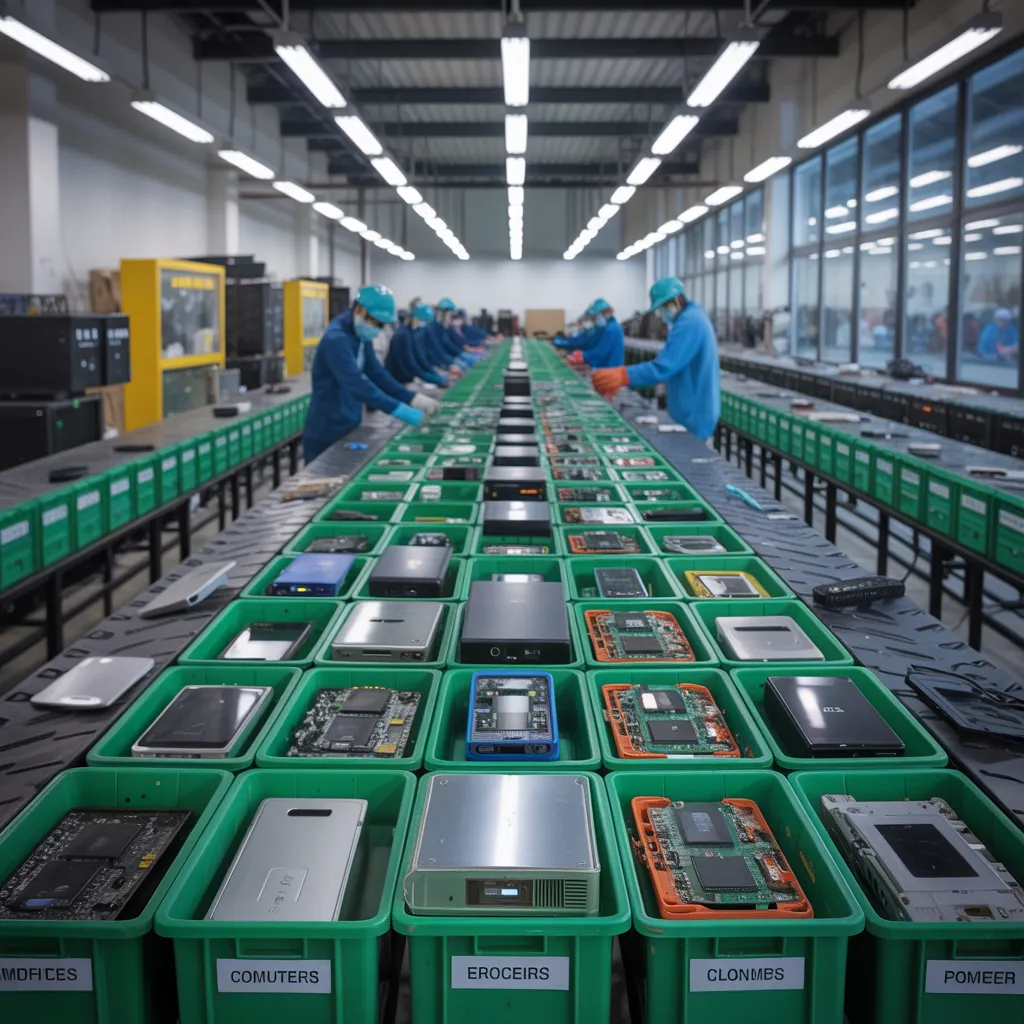
E-waste recycling entails an organized procedure aimed at reclaiming useful resources while reducing harm to the environment. At the outset, discarded electronics are retrieved and sent to purpose-built recycling plants. After reaching the facility, the equipment is meticulously organized to isolate dangerous parts from recoverable materials.
Subsequently, workers dismantle the devices, removing glass, metals, and plastics. This step is critical, as it allows for the recovery of precious metals like copper, gold, and silver, which may be utilized in new electronic devices.
Afterward, the isolated materials are treated via state-of-the-art techniques, such as chemical treatments and shredding, to refine them for further use.
In the final step, the residual hazardous materials are disposed of responsibly, adhering to environmental guidelines. This systematic method not only conserves resources but also mitigates the risks connected to irresponsible electronic waste disposal, ensuring a more sustainable future for the consumption of electronics.
Benefits of E-Waste Recycling for You and Your Community
Though many people are unaware, the positive effects of e-waste recycling extend beyond personal convenience to positively impact entire communities. By responsibly disposing of electronic waste, individuals play a role in creating a safer environment, minimizing harmful substances that can leach into soil and water. This responsible method helps preserve local ecosystems and supports public health.
Furthermore, e-waste recycling promotes employment opportunities within local communities. Local recycling facilities often require personnel for diverse activities, covering everything from collection to processing, thus generating valuable job opportunities within the community. This not only enhances the community economy but also promotes community participation in sustainable initiatives.
In addition, awareness of e-waste recycling may result in community outreach programs, encouraging residents to pursue greener alternatives. By enrolling in e-waste recycling programs, individuals promote a culture of sustainability, encouraging others to do the same. All things considered, the collective impact of these actions can create a more strong and environmentally aware community.
Tips for Choosing an E-Waste Recycling Service
Picking the most suitable e-waste disposal service is essential for guaranteeing that electronic waste is processed with responsibility and sustainability. Initially, individuals should confirm the service's credentials, such as R2 or e-Stewards, which demonstrate adherence to established benchmarks for safe recycling practices. Additionally, it is advisable to evaluate the organization's credibility by reviewing feedback and seeking referrals from reliable sources.
Next, openness in the recycling process is crucial. A dependable provider should supply straightforward details about the way e-waste is handled and what happens to the materials. Additionally, assessing the variety of services available can be advantageous; various firms may supply retrieval services or extend benefits for recycling.
Furthermore, being aware of regional rules concerning e-waste disposal can further guide the selection process. When these considerations are given priority, individuals can contribute to effective e-waste management while supporting environmentally responsible practices.
How You Can Get Involved in E-Waste Recycling?
Participating in e-waste recycling can start at the local level, where Read on community recycling hubs regularly supply essential services for responsible disposal. Furthermore, taking part in community awareness campaigns can enhance efforts to inform others regarding the importance of ethical e-waste practices. These initiatives not only promote sustainability but also cultivate a collective sense of accountability for the environment.
Regional Recycling Centers
Many neighborhood recycling stations fulfill a critical purpose in the recycling of e-waste, providing communities with accessible options to manage electronic waste appropriately. These facilities handle a wide array of electronic equipment, including aging computers, cell phones, and television sets, guaranteeing that dangerous substances are processed safely. The majority of facilities employ trained staff who help individuals navigate appropriate disposal procedures, highlighting the value of recycling rather than landfilling. Additionally, numerous facilities provide organized drop-off opportunities or appointed collection periods, allowing residents to take part with ease. By engaging with these local facilities, people help build a circular economy, lowering environmental harm and encouraging sustainable habits. Connecting with these stations enables communities to combat e-waste pollution successfully.
Community Awareness Campaigns
Local organizations, schools, and businesses can partner to arrange initiatives that encourage e-waste collection drives. Volunteers can play a pivotal role in raising awareness, sharing informational resources, and connecting with local residents. As a result of these combined actions, community members grow more knowledgeable and inspired to dispose of their electronics responsibly, ultimately contributing to a more sustainable future.
Common Questions and Answers
What Electronic Devices Are Eligible for Recycling?
A wide range of electronics can be recycled, including computers, smartphones, televisions, laptops, gaming consoles, and printers. Furthermore, ancillary devices such as batteries, keyboards, and mice are well-suited for recycling, promoting efforts to conserve the environment.
Are There Any Costs Associated With E-Waste Recycling?
Indeed, e-waste disposal can include charges, subject to the facility. Some service centers apply costs for gathering or treatment, while others provide no-cost solutions, frequently supported by the resale of recovered materials.
What Are the Benefits of E-Waste Recycling for Businesses?
Companies can take advantage of e-waste recycling by lowering disposal expenses, enhancing their environmental image, complying with regulations, extracting valuable resources, and possibly earning income through resale, thereby fostering a more environmentally responsible business approach.
What Occurs with Data on Recycled Devices?
Details regarding recycled electronics is often irretrievably wiped or eliminated during the refurbishment process. This guarantees private details stays protected, blocking unwanted intrusion while allowing materials to be repurposed carefully and ethically across new manufacturing processes.
Is It Possible to Recycle Damaged Electronics?
Absolutely, damaged electronics are able to be recycled. Many facilities receive damaged devices, providing proper disposal and recovery of precious materials. Doing so helps decrease the environmental footprint while fostering sustainable recycling habits to handle electronic waste effectively.
Comments on “Electronics Recycling Services: Professional E-Waste Solutions for Offices”